Growing insecurity on some of the world's major shipping routes, from the Black and Red Seas to the Strait of Hormuz, is driving up transportation, insurance, and energy costs, with increasing repercussions for trade and consumers.
Disruptions caused by armed conflicts are forcing shipping companies to delay operations, modify itineraries, or avoid certain areas, increasing transit times and fuel costs.
This phenomenon is particularly affecting the flow of grain, hydrocarbons, and containerized goods, and is adding further inflationary pressures to a global economy whose growth could slow to 2.5 percent by 2026, according to the World Bank.
Black Sea
The intensification of Russian and Ukrainian attacks on ports, ships, and maritime infrastructure has significantly increased the risks to commercial traffic in the Black Sea.
The ports in Ukraine's Odesa region, essential for the export of grains and vegetable oils, have lost about a third of their capacity amid the increased shelling, according to data cited by Reuters.
Before the recent escalation, they could handle approximately six million tons per month, compared to about four million currently. More than 90 percent of Ukraine's grain and vegetable oil exports depend on these ports.
Military actions against vessels and port terminals have also increased uncertainty among shipowners and insurers, while alternative land and river routes do not have sufficient capacity to completely replace Black Sea operations.
The situation also poses a risk to international agricultural markets, given Ukraine's importance as an exporter of wheat, corn, and other basic commodities.
Red Sea
The Red Sea and the Bab el-Mandeb Strait are another major source of tension for international shipping.
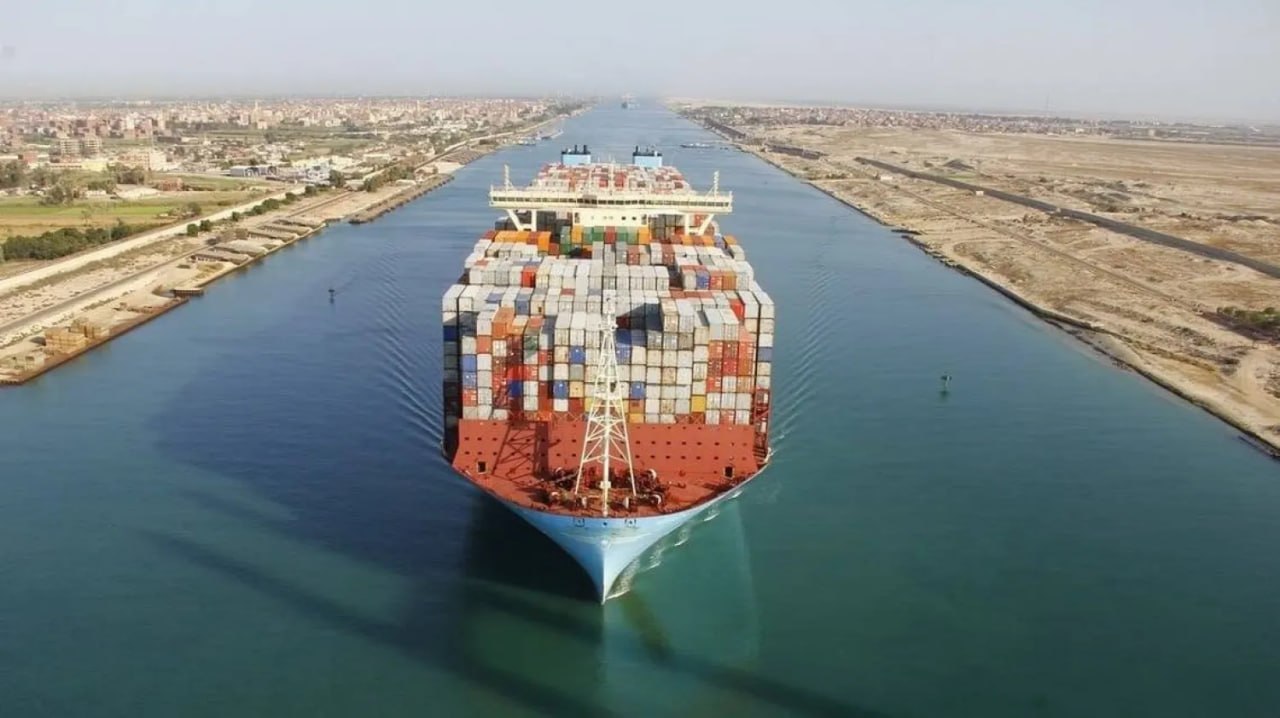
Attacks on vessels in recent years have led numerous companies to avoid the Suez Canal and use the longer route around the Cape of Good Hope.
Industry data shows that traffic through Suez remains well below pre-crisis levels and that, at various times, cargo capacity has fallen by approximately 50 to 64 percent compared to 2023.
New Houthi threats keep shipowners on high alert and reduce incentives to fully return to this route, despite Egypt's efforts to revive maritime traffic.
Diverting a vessel around Africa adds several days to the crossing between Asia and Europe and results in higher fuel consumption, longer vessel utilization, and additional personnel and insurance costs.
War risk premiums also rise rapidly when new attacks occur, increasing the final price of freight transport.
Strait of Hormuz
The most critical situation is currently concentrated in the Strait of Hormuz, through which a substantial portion of global oil and gas exports from the Gulf passed before the current crisis.
Commercial traffic has fallen to a fraction of its usual levels since the start of hostilities in late February, while numerous vessels remain stopped or avoid crossing the area due to attacks and the high cost of insurance.
Recent reports indicate that transit remains below 10 percent of normal levels at certain times.
The partial shutdown of the Strait of Hormuz is particularly affecting the global energy market, as this waterway handles approximately one-fifth of internationally traded oil.
Iran and Oman are holding talks aimed at establishing mechanisms to gradually resume navigation, although differences persist between Tehran and Washington regarding the conditions for a full reopening.
Uncertainty surrounding the Strait of Hormuz further increased the volatility of oil markets and heightened concerns among countries heavily dependent on energy imports.
The global consumer pays the price.
The repercussions of these maritime crises are not limited to ship owners or energy companies.
The increased costs of transportation, fuel, storage, and insurance are gradually passed on to producers, importers, retailers, and consumers.
Food products, manufactured goods, fertilizers, fuels, and raw materials can become more expensive when journeys are prolonged or companies must pay extra premiums to maintain operations.
The World Bank warned in June that the conflict in the Middle East had already led to sharp price increases.
The organization projects global growth of 2.5 percent this year, compared to 2.9 percent in 2025.
Source: Sana